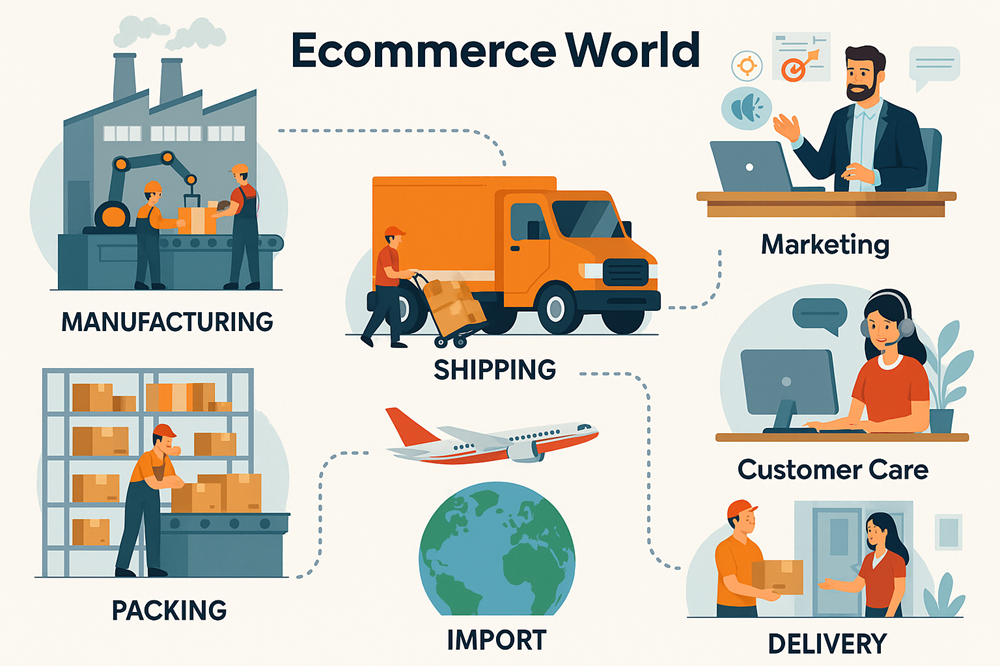
Starting and scaling an eCommerce company sounds attractive low overhead, global markets within reach, 24/7 sales. But being in business online is far from simple, particularly if you’re a manufacturer, distributor, or importer. Each of these roles poses its own set of challenges in the online marketplace.
In this blog, we discuss the shared and unique challenges of various eCommerce sellers, and how to overcome them.
- Manufacturers’ Challenges in eCommerce
Manufacturers changing from B2B or wholesale businesses to direct-to-consumer (DTC) online sales tend to encounter several setbacks.
Building Brands from Scratch
Manufacturers are usually concerned with making products, not promoting them. When selling DTC:
They have no brand awareness.
It becomes hard to compete with established eCommerce brands.
Need for storytelling, positioning, and customer engagement comes into play.
Inventory and Demand Forecasting
Manufacturing goods needs to be planned out. Incorrect forecasting can result in:
Overstock and warehousing expenses.
Stockouts and lost opportunities.
Technology Gaps
Manufacturers might lack the infrastructure for:
Real-time inventory updates.
Online customer support.
Marketing automation.
Solutions for Manufacturers:
Invest in digital marketing and branding.
Employ AI-powered tools for forecasting and automation.
Collaborate with eCommerce consultants to develop efficient DTC models.
- Challenges Faced by Distributors in eCommerce
Distributors are in the middle of the supply chain and get pinched by both sides: customers and suppliers.
Thin Profit Margins
As competition heats up online, distributors usually make razor-thin margins with little room for ad spend or error.
Lack of Product Differentiation
Distributors usually sell the same products as everyone else, which translates to:
Price wars on marketplaces such as Amazon and Flipkart.
Trouble building loyalty or brand equity.
Channel Conflicts
When the manufacturers sell directly online as well, distributors are in competition with their own suppliers.
Solutions for Distributors:
Sell bundled products or value-added services.
Create niche-specific shops to sell to targeted audiences.
Employ automation software for repricing, fulfillment, and support.
- Importers’ Challenges in eCommerce
Importers import products from foreign countries with the attendant issues of quality control, compliance, and upfront high investment.
Customs, Compliance, and Legal Hindrances
Importers have risks including:
Customs holdups or tariff charges.
Trade law changes.
Product certification obligations (CE, BIS, FDA, etc.).
Long Lead Times
Shipping and customs delays can:
Create stockouts and dissatisfied customers.
Shatter marketing schedules (particularly for seasonal products).
Currency & Cost Volatility
The cost of importing varies with:
Exchange rates.
Fuel surcharges.
World inflation and shipping disruptions.
Importer Solutions:
Establish good relationships with reliable foreign suppliers.
Monitor import schedules and landed costs using software.
Carry buffer inventory for high-moving SKUs.
Common eCommerce Challenges Confronted by Everyone
No matter your position manufacturer, distributor, or importer there are common challenges that affect all eCommerce companies:
Digital Competition
You’re not only competing locally, you’re competing internationally. That means:
Sophisticated competitors.
Ongoing ad spend pressure.
Requirement for AI-optimized SEO and performance marketing.
Customer Expectations
Today’s customers demand:
Free & speedy shipping.
24/7 customer support.
Easy returns.
Not keeping up with these expectations can harm reviews and retention.
Operational Complexity
It takes a lot of effort to manage sales on multiple platforms (your site, Amazon, Flipkart, etc.)
Unified stock management systems.
Centralized order handling.
Shipping, packing, and support automation.
Trust & Compliance
Trust indicators play a key role in eCommerce:
GST compliance.
Social proof and reviews.
Original packaging and post-sales support.
How to Counter These Challenges
Harness Automation & AI
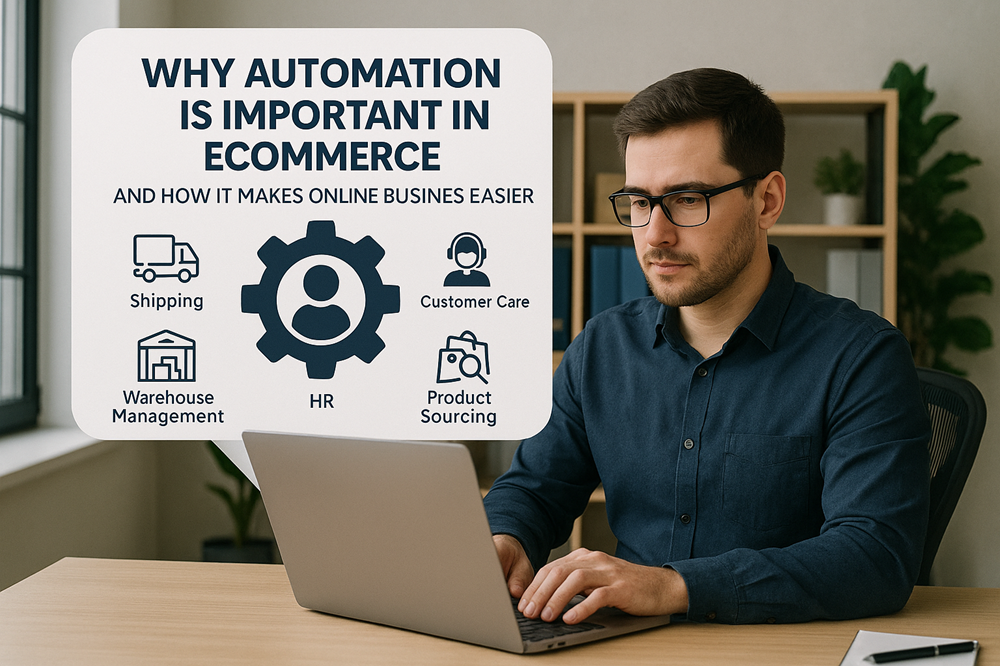
Automate functions such as inventory, order handling, customer support, and ad optimization through all-in-one eCommerce software.
Invest in SEO & Paid Ads Wisely
Don’t waste money but invest in AI-based digital marketing that reaches the right audience with high conversion potential.
Construct a Brand, Not a Store
Leverage content marketing, influencer marketing, and social media to establish a robust brand presence, fostering trust and repeat business.
Diversify Channels
Avoid dependence on a single platform. Leverage your own website, marketplaces, and social commerce for risk reduction and expansion.
Final Thoughts
To be a successful eCommerce vendor in today’s hyper-competitive marketplace takes more than a good product. Whether you’re a manufacturer venturing into the DTC arena, a distributor looking to remain profitable, or an importer juggling logistics and risk—knowledge of your pain points and how to address them with the right tools and strategy is crucial.
At Ad Deals, we assist eCommerce businesses of every variety with:
Market entry strategy
Automation solutions
AI-driven marketing
Marketplace optimization
We’ll take care of complexity, and you take care of growth.